
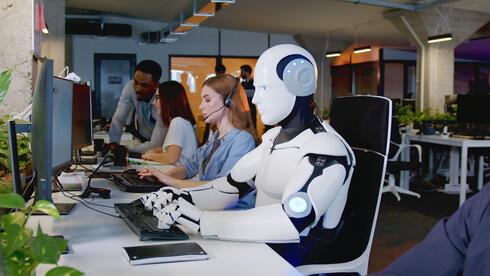
Across the technology world, something important is being lost.
Quietly, and often without notice, the people who built, secured, and maintained the foundations of our digital lives are being phased out.
For decades, the IT professional was the backbone of every serious operation. We were the people who stayed late to rebuild systems crashes, who tested and retested every change, who made sure things actually worked before they were released to the world. We understood how networks talk to each other, how data moves, how power and protection must balance. We understood the invisible structure that allows everything else to exist.
Today, many organizations are letting that experience go. The focus is on automation, artificial intelligence, and short-term cost savings. There is an assumption that technology can replace human understanding. But the truth is that automation cannot think, and artificial intelligence cannot care. These systems can imitate knowledge, but they cannot replace wisdom.
Those of us who have been in IT for decades carry something that cannot be programmed. We have seen the patterns of failure, the moments when systems break because someone took a shortcut, or because no one truly understood what they were changing. We know how things connect. We know how fragile the digital world becomes when people treat it like a game instead of a discipline.
The younger generation is talented and fast, but many of them were raised on abstraction. They know how to use software, but not how it works. They are comfortable in front of dashboards but uncertain beneath the surface. The result is a new kind of fragility in technology itself. When something goes wrong, there are fewer people who actually know how to repair it.
What is being lost is not just jobs, but knowledge. It is the quiet, hard-earned understanding that kept systems running safely and securely. It is the ability to think critically, to test assumptions, to build with stability in mind.
The internet once belonged to builders, explorers, and thinkers. It was open, unpredictable, and alive with curiosity. Today it is increasingly commercial, shallow, and driven by convenience rather than integrity. In many ways, it reflects the same mindset that is removing experienced professionals from the field. The goal is speed, not understanding. The result is instability, not progress.
We still need people in IT who know what they are doing. We need people who have seen enough to understand what happens when things go wrong. We need professionals who take responsibility, who see beyond the interface, and who still believe that technology should serve people, not the other way around.
If we lose that generation entirely, we will lose more than technical skill. We will lose memory. We will lose the culture of reliability, precision, and respect for detail that made technology trustworthy in the first place.
Progress is not supposed to erase wisdom. It is supposed to build upon it.